In content distribution business, choosing the right server location is key to improving user experience and reducing costs. This article combines practical experience to analyze "What is the Usefulness of Hong Kong Server Hosting in Content Distribution Business" from the perspectives of networking, compliance, security, and operations—to help decision-makers grasp the value of deployment and key implementation points.
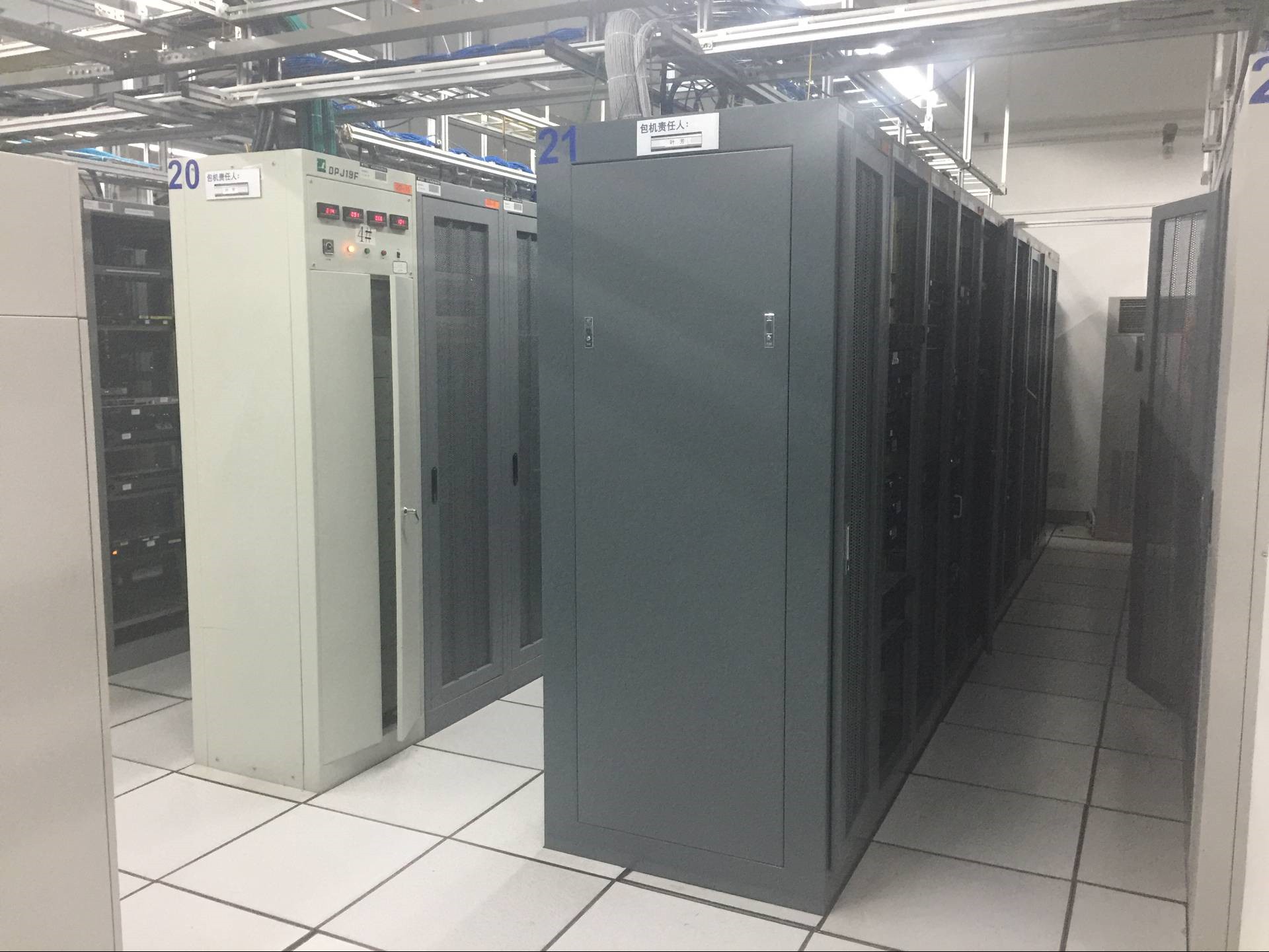
Hong Kong server hosting refers to hosting physical or virtual servers in Hong Kong data centers, with service providers providing power, network, and basic operation and maintenance environments. Its features include convenient international exports, low latency to border areas in Southeast Asia and China mainland, as well as relatively mature bandwidth billing and flexible network solutions, making it suitable as a transit node for cross-border content distribution.
Choosing Hong Kong as a content distribution hub is mainly based on its geographical location and network connectivity advantages. Hong Kong's dense connection between the Asia-Pacific and global submarine cables significantly reduces access delays to neighboring countries and regions, while providing flexible export options for mixed traffic to Chinese mainland and international users, which helps improve overall delivery quality.
For audio, video, web, and app content, user perception is greatly affected by latency. The Hong Kong data center connects multiple international export and submarine fiber optic cables. By optimizing routing and BGP strategies, it can reduce hops and jitter, significantly improving the access experience in the Asia-Pacific region, especially when transconnecting to edge nodes in Southeast Asia and mainland China.
Content distribution is often accompanied by high bandwidth demand and traffic fluctuations. Hong Kong hosting offers flexible bandwidth and multi-carrier access, facilitating traffic cleaning, peak scheduling, and billing optimization. By combining traffic monitoring with bandwidth pool strategies, over-peak costs can be reduced and controllability improved without compromising user experience.
Cross-border content transmission involves regulatory and review requirements. Hong Kong has an independent legal system and relatively relaxed content regulatory boundaries, but companies still need to comply with the laws of the destination country. Before deployment, assess content types, user geographic distribution, and data sovereignty requirements, and design reasonable filing and compliance processes to reduce legal risks.
Combining Hong Kong hosting with global or regional CDNs is a common optimization method. Hong Kong nodes can serve as intermediate source or edge nodes, responsible for dynamic content processing and caching strategy management. Collaboration with multi-point CDNs reduces source site recovery pressure, improves hit rates, and shortens return latency, making it suitable for mixed static and dynamic scenarios.
Hosting environments should focus on DDoS protection, WAF, access control, and log auditing. Hong Kong data centers can typically collaborate with third-party security services to achieve traffic cleaning and application-layer protection. It is recommended to adopt multi-layered security policies, least privilege models, and centralized monitoring to ensure rapid business recovery in the event of sudden attacks or abnormal access.

Hosting brings ongoing operational costs and SLA requirements, requiring trade-offs between availability goals and budget. Redundant power supplies, multi-room deployment, and automated operation and maintenance tools can enhance fault resistance. It is recommended to develop backup and restore strategies and regularly practice failover to maintain stable delivery during peak content distribution periods.
Implementing Hong Kong server hosting is recommended step-by-step: assess access distribution and compliance requirements, design network topology and bandwidth strategies, select multi-operator access, combine CDN and caching strategies, deploy multi-layered security protections, and develop operation and maintenance and emergency response plans to gradually iterate and optimize delivery outcomes.
- Latest articles
- Overseas Service Access Case Risks And Benefits Of Unlocking Content Using A VPS Fake US Identity
- How To Extend The Use Of Cambodian Servers To Edge Computing And Content Delivery Networks
- Optimization Solutions For VPS Latency Reduction In Live Streaming In Malaysia, From Encoder To Server Architecture
- From Newcomers To Experts, Malaysian Women Working In Servers Are On Career Advancement And Certification Paths
- Management Techniques For Vietnam VPS Native IPs In Multi-account Operations On Social Media
- Deploy High-bandwidth Servers In The Hong Kong Site Cluster To Handle Promotional Traffic Surges As A Strategy
- From The Perspective Of A Media Professional, Bilibili Group Mocks South Korea's Impact On Entertainment Industry Public Opinion
- Comparison Of Hong Kong's Top Ten VPS Services: Overview Of Latency Test Bandwidth Stability
- Annual Vs. Monthly Billing Comparison: Analysis Of The Pros And Cons Of Server Hosting Prices In Taiwan
- How Can Small And Medium-sized Enterprises Quickly Set Up Business Sites Using Alibaba Cloud Cambodia Servers?
- Popular tags
-

From The Perspective Of Enterprise Consultants, Is Alibaba Cloud Hong Kong A Native Ip? Cost And Performance-price Ratio Analysis
analysis from the perspective of an enterprise consultant: whether alibaba cloud hong kong is a native ip, influencing factors, cost structure and price/performance evaluation, including routing ownership, bandwidth and compliance risks, provide reference for enterprise decision-making. -

-
How To Efficiently Log In To Hong Kong Servers On Your Mobile Phone
This article introduces practical methods for how mobile phones can efficiently log in to Hong Kong servers, helping users quickly connect and use Hong Kong servers.